
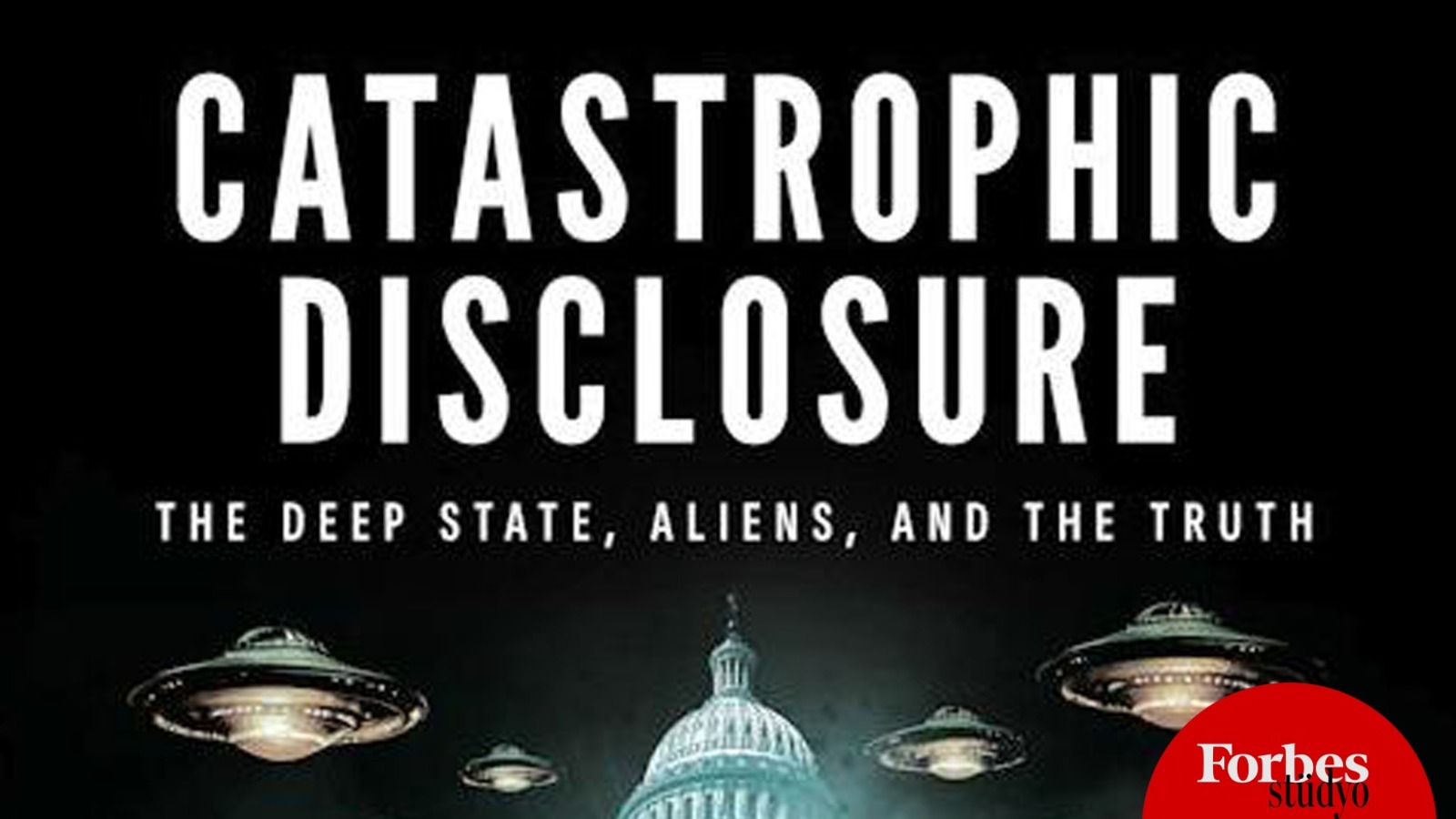
His upcoming book, Catastrophic Disclosure, explores claims of secret UFO intelligence programs within the United States. It’s not the first time Heckenlively has published controversial material. Over the years, he has gained a reputation for pulling back the curtain on sensitive topics, from government cover-ups to national security. Some call him a provocateur. Others call him a free speech champion.
In 2017, Kent Heckenlively was denied entry to Australia, with officials citing public health concerns tied to his commentary. At the time, much of the Australian media coverage portrayed this as a straightforward decision to keep a controversial figure off Australian soil. But several years later, the story is no longer just about a visa denial. It has become part of a larger conversation about how democracies handle speech that challenges mainstream narratives.
You can read more about his history of challenging institutions in previous press coverage, including California Business Journal, Daily Caller, and Reuters.
A superman pose in a serious debate
To promote his new book, Heckenlively posed for a light-hearted photo wearing a Superman T-shirt and a smile. The tone is deliberate. It softens what could easily be a polarizing conversation. Rather than positioning himself as a combative figure, he leans into humor to signal that difficult conversations don’t always have to be tense ones.
And that may be the real turning point in this story. When speech crosses borders, should the response be walls or dialogue?
When “different” meets “dangerous”
The right to free expression is never simple in practice. Every democracy draws its boundaries differently. Australia has historically taken a firm stance on barring entry to figures seen as socially or politically disruptive, particularly on public health or security matters. Supporters say this protects national stability. Critics say it narrows the space for dissenting voices.
This raises important questions. When does “different” simply mean different? And when does it cross the line into dangerous in the eyes of the state? And who gets to decide?
These debates are not limited to Australia. In the United Kingdom, concerns over free speech have also made headlines. In 2018, Mark Meechan was convicted under the Communications Act after posting a satirical video on Facebook. Although he received only a fine, the case became a flashpoint in the global conversation about the limits of speech in democratic societies. Many saw it as a warning about how quickly governments can act when expression is deemed offensive.
The weight of a conversation
Heckenlively’s new book builds on that very tension. He alleges that U.S. agencies have long withheld information related to UFO intelligence programs. It is not the first time he has clashed with official narratives, and it likely will not be the last.
What makes this story noteworthy for Australia is not whether every claim in his book is correct, but what the response to those claims says about democratic societies. In a world where information spreads across borders instantly, travel bans have limited power to silence ideas. They may stop a plane ticket, but they can’t stop a podcast, a livestream, or a global audience.
A conversation, not a clash
To his critics, Heckenlively is a provocateur who stirs up controversy. To his supporters, he is a free speech champion who refuses to let governments define the limits of public discussion. Both sides might agree, however, that strong democracies should be able to host uncomfortable conversations without immediately reaching for the “closed” sign.
The Superman T-shirt, then, is more than a gimmick. It represents an attempt to keep the discussion approachable, even when the subject matter is polarizing. In a time when political debate can feel like a battlefield, perhaps a smile and a cape can be disarming.
Australia’s decision to bar Heckenlively may have kept him physically out, but it hasn’t kept the conversation from crossing borders. In the digital age, ideas travel faster than passports.
And perhaps that’s the point. Free speech doesn’t depend on where a person stands, but on whether societies are willing to listen.