
When Tag Markets took shape in Colombia in August 2023, its starting point was not a claim that foreign exchange needed to be reinvented. The frustration was narrower and, in some ways, harder to solve.
The founders believed too much of online brokerage had begun to look the same. Many firms offered access to similar markets through familiar platforms, with comparable account structures and customer journeys. In a crowded global category, the problem was not whether another broker could provide access. It was whether it could give clients a reason to experience that access differently.
That question became the basis for Tag Markets.
From the beginning, the company focused less on changing what Forex and CFD trading is and more on the infrastructure surrounding it. Onboarding, client management, copy trading, reporting, partner technology and the path from opening an account to participating in the market became areas where the business believed more could be done.
This distinction matters because brokerage is an industry where the visible product can conceal much of the business underneath. A trader sees prices, charts and an order screen. Behind that sits a wider operating system of account processes, technology, reporting and support functions. Tag Markets chose to compete in those less visible layers.
The strategy began to take form through proprietary products.
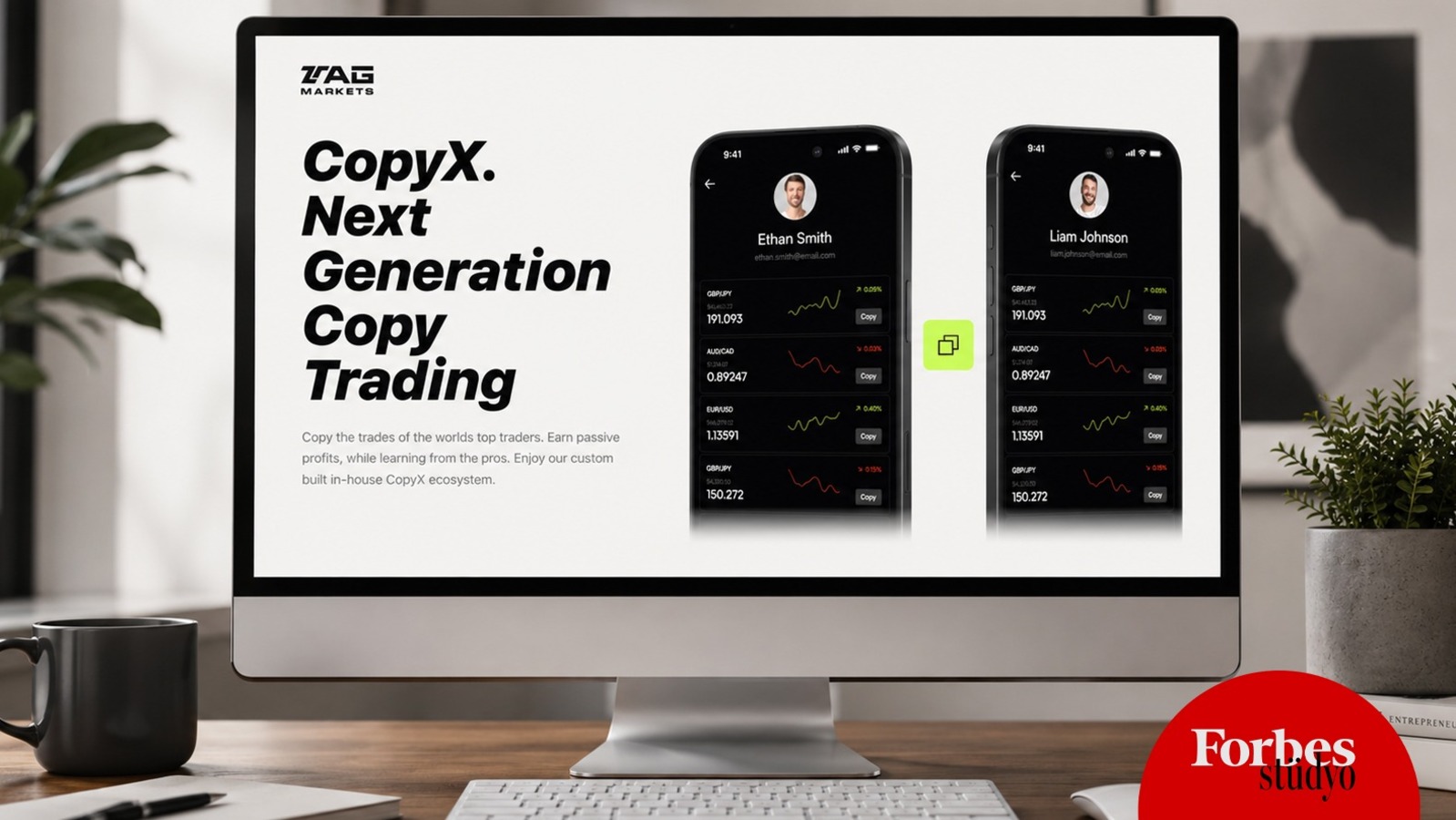
CopyX, launched in September 2025, gave clients another way to participate by allowing them to review available traders and strategies, examine historical results and decide whether qualifying trading activity should be replicated automatically. Independent trading remained available for clients who preferred to make their own decisions.
A month later, the company launched its proprietary partner portal, bringing onboarding, account activity, reporting and client management into a more connected environment for professional partners.
Neither development changed the underlying function of a brokerage. Both addressed parts of the experience that sit around execution, which is where the original frustration had been focused.
Education became another part of that wider model. Tag Markets provides free education for clients through video courses, written material and live training sessions, giving people an opportunity to understand trading concepts before deciding how they want to participate. Trading still involves risk, and education does not guarantee an outcome, but it can narrow the gap between gaining digital access and understanding the choices presented on the platform.
The growth that followed gives the origin story greater context. By May 2026, Tag Markets reported that it had passed one million clients. The company also reports more than $820 billion in transactional volume.
Those figures are significant because they shift the story from an idea about industry frustration to the practical demands of operating at international scale. A brokerage serving a large client base cannot rely on a single product or marketing proposition. Account systems, reporting, client management, technology and partner infrastructure have to function together.
Rapid growth can make origin stories look inevitable in hindsight. They rarely are.
Entering Forex and CFD brokerage meant competing in a mature category with established providers, familiar technology and customers already accustomed to certain ways of trading. Building proprietary systems added another layer of complexity. The company had to differentiate without pretending the underlying market itself was new.
Tag Markets responded by continuing to develop the parts of the brokerage experience it could control.
That approach also explains why the business has resisted being defined by one product. CopyX is part of the story, but it is not the story. The partner portal solves a different problem. Education serves another purpose. Account structures and client infrastructure sit elsewhere again.
The common thread is the original question: where has the brokerage experience become too standard, and is there a practical reason to build something different?
That question has carried Tag Markets from its early formulation in Colombia to a Forex and CFD business serving an international client base. Its stated long term ambition is to compete with the largest brokerages globally, an objective that remains an ambition rather than an achieved status.
The more revealing part of the Tag Markets story is therefore not the size of the goal. It is the problem the company chose to begin with.
Markets did not need another claim of reinvention. Tag Markets decided the opportunity was in everything surrounding the trade.